Black Scientists and Inventors for Kids
Fuel a curious kid with real-life heroes who asked "what if?" and changed the world.
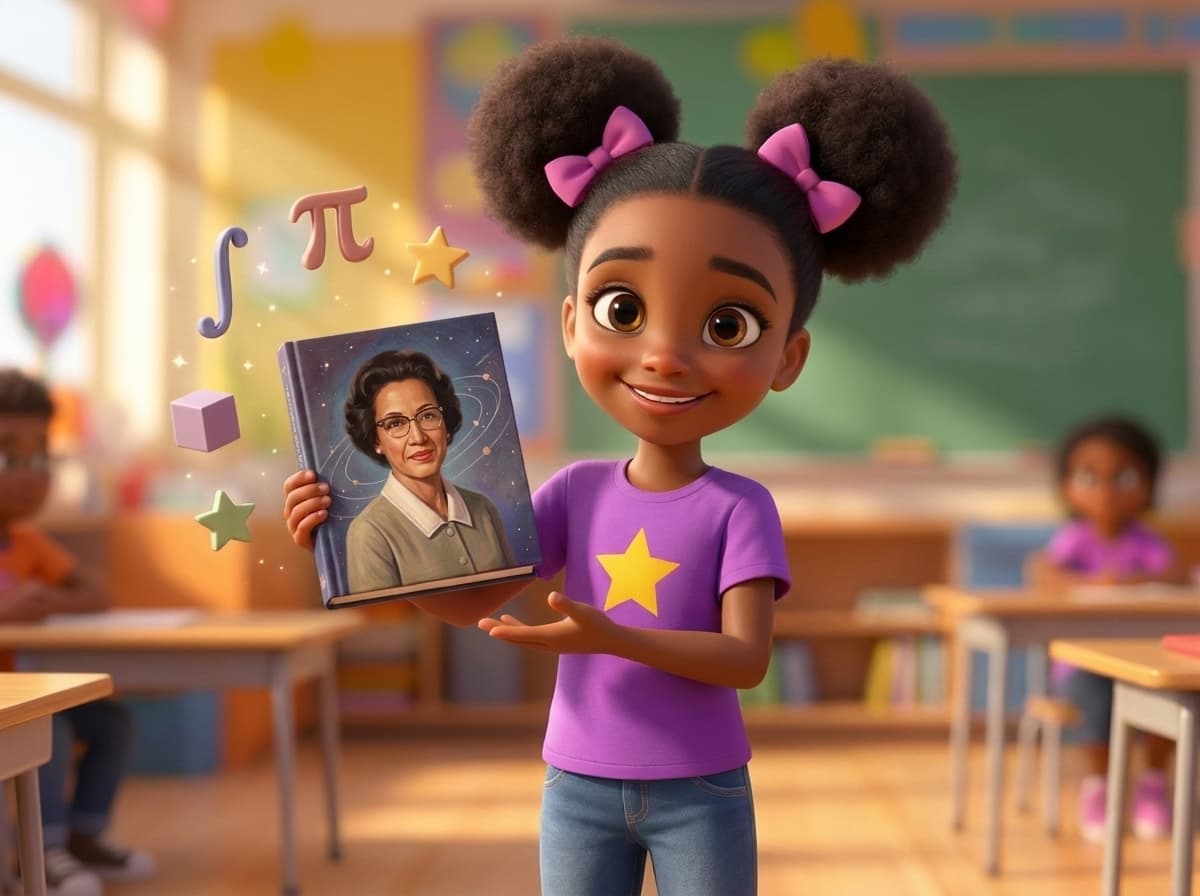
Kids who love asking why and how have a lot in common with the people in this guide. Black scientists and inventors have shaped the way we grow food, fly planes, reach space, and live everyday life — and their stories are some of the best fuel you can give a curious child.
Here are the ones to start with, why kids love them, and a free lesson you can explore today.
Scientists and inventors kids will love
- Katherine Johnson — the "human computer" whose math helped send astronauts to the Moon and back safely.
- Mae Jemison — a doctor, dancer, and the first Black woman to travel to space.
- George Washington Carver — the scientist who found hundreds of uses for the humble peanut and taught farmers to heal their soil.
- Bessie Coleman — the first Black woman to earn a pilot’s license, who crossed an ocean to chase her dream of flight.
- Black inventors — the everyday brilliance behind the traffic light, the home security system, and so much more.
How to spark a love of science at home
Connect the hero to something your child already touches. Eat a peanut-butter sandwich and talk about George Washington Carver. Look up at the Moon and talk about Katherine Johnson’s math getting people there.
Praise the question, not just the answer. Every scientist here started as a kid who wouldn’t stop asking "why?" Rewarding curiosity is how you keep it alive.
Let them "be" the scientist. After a story, a five-minute pretend experiment or a drawing of their own invention turns a lesson into play.
Bring these stories to life with your child
Emeka Explores turns each of these into an illustrated, read-along lesson with a playful quiz. Start free — no card needed.
Frequently asked questions
Who is a good first Black scientist to teach young kids?
Mae Jemison and George Washington Carver are wonderful first stories — both are hopeful, concrete, and easy to connect to things kids already know (space and food). Katherine Johnson is perfect for a child who loves numbers.
How do I make science fun for a 4–6 year old?
Keep it hands-on and short. Pair a two-minute hero story with one simple activity — counting like Katherine Johnson, or "inventing" a machine out of blocks. The goal at this age is delight, not detail.