Black History Heroes for Kids
A kid-friendly starting point for teaching Black history — any month of the year.
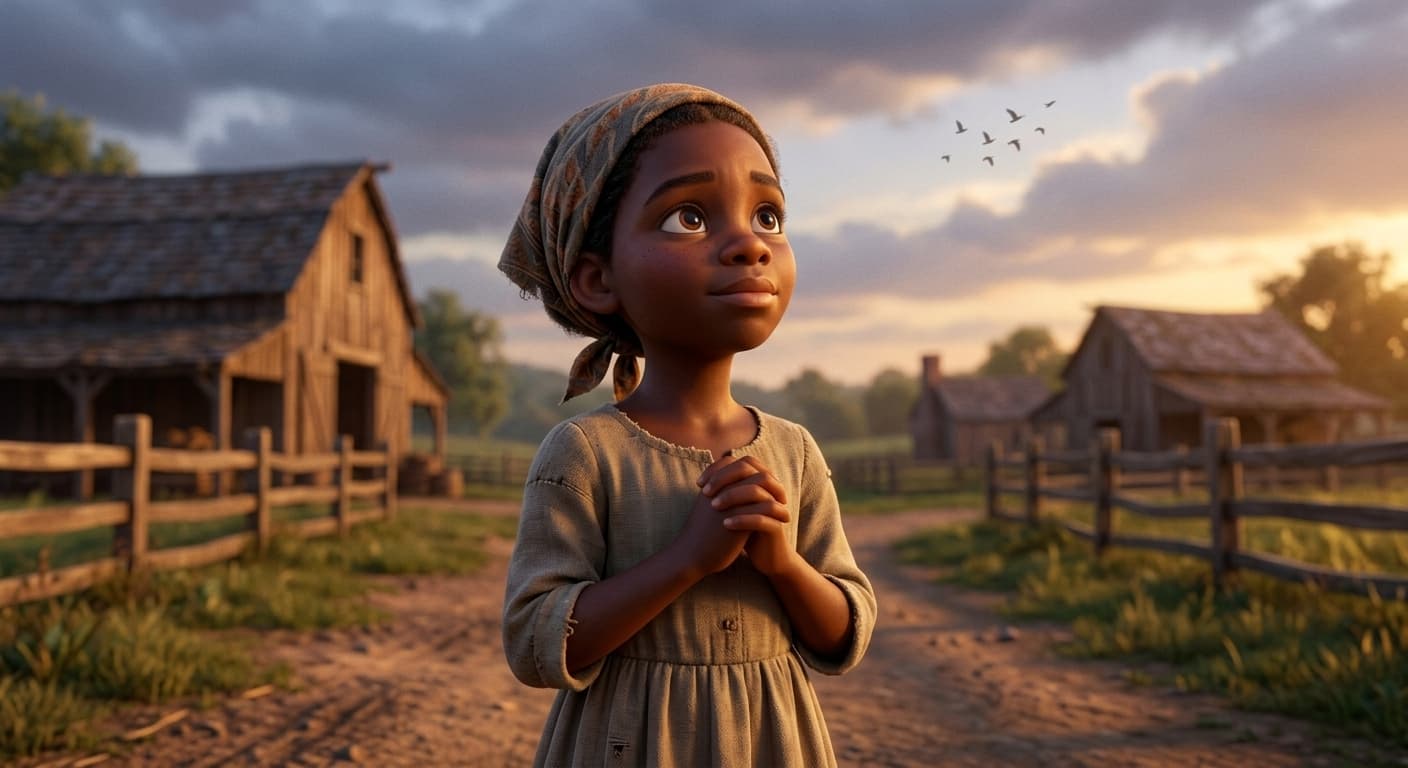
Black history isn't just for February. Kids are never too young to learn about the courage, brilliance, and creativity of the people who changed the world. The trick is telling those stories in a way a four- to nine-year-old can actually hold onto — short, warm, and full of the small human details that make a hero feel real.
This guide is a starting map. Below you'll find 29 Black history heroes worth introducing to your child, grouped so you can pick where to begin. Each one links to a free, illustrated story you can read together today.
How to introduce Black history to young kids
Start with one person, not a timeline. A single vivid story — Ruby Bridges walking into school, Bessie Coleman flying a plane — sticks far better than a list of dates.
Lead with the child, not the tragedy. Every hero here was a kid once. Beginning with "when she was your age…" builds an instant bridge, and it keeps hard history age-appropriate.
Make it a conversation. After the story, ask "How do you think she felt?" or "What would you have done?" That reflection is where the real learning lands.
Where to begin
If you want a first read-aloud that leaves kids feeling brave and hopeful, start with Ruby Bridges, Rosa Parks, or Mae Jemison. For a child who loves science, George Washington Carver and Katherine Johnson are perfect. For celebrations and culture, Kwanzaa and Juneteenth are joyful entry points.
Every hero below opens a full illustrated lesson inside Emeka Explores — a page-by-page story plus a playful quiz. You can read the intro stories for free.
Bring these stories to life with your child
Emeka Explores turns each of these into an illustrated, read-along lesson with a playful quiz. Start free — no card needed.
Frequently asked questions
What age is right to start teaching Black history?
As early as age 3–4. At that age, focus on simple, hopeful stories about real people — a kid who was brave, an inventor who was curious. Save the heavier context for when children are older and asking deeper questions.
How do I teach hard parts of history without scaring my child?
Lead with the person and their courage rather than the violence done to them, keep the language simple and honest, and always end on what changed for the better. Then follow your child’s questions — answer what they ask, no more.
Do I have to wait until Black History Month?
No. These stories belong in a kid’s year-round. Sprinkling them through everyday learning teaches children that Black history is simply history.
All 29 Black History Heroes
- Mae Jemison
- Martin Luther King Jr.
- Harriet Tubman
- Rosa Parks
- Barack Obama
- Ruby Bridges
- George Washington Carver
- Katherine Johnson
- Jesse Owens
- Maya Angelou
- Frederick Douglass
- Jackie Robinson
- African Heritage
- Kwanzaa Celebration
- Juneteenth Freedom Day
- Black Music History
- African American Art
- Family Traditions
- Black Inventors
- Our Strong Community
- Muhammad Ali
- Shirley Chisholm
- Bessie Coleman
- Langston Hughes
- Misty Copeland
- Thurgood Marshall
- Sojourner Truth
- Oprah Winfrey
- Ida B. Wells