Teaching the Alphabet with Black Culture
Every letter is a chance to celebrate a hero, a place, or a proud tradition.
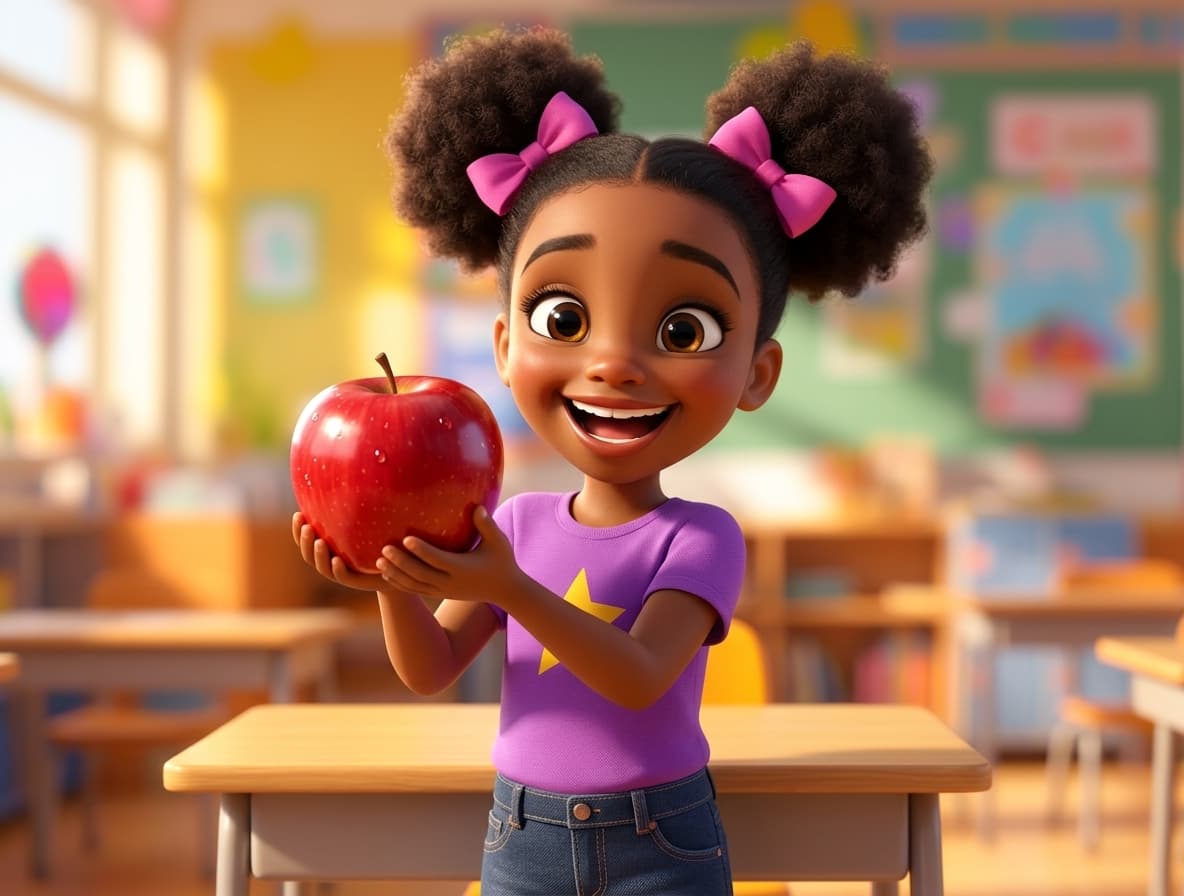
Learning the alphabet is one of the first big milestones — and it's a beautiful chance to show your child that they belong in the story of the world. When A is for Astronaut Mae Jemison and I is for Inventor, kids build reading skills and pride at the same time.
Here's how to weave Black history and culture into the ABCs, whatever letters your child is working on.
An A-to-Z your child can see themselves in
The usual alphabet flashcards rarely reflect Black kids and their heritage. You can gently fix that at home by choosing your own words for each letter — a hero, a place, a food, a value.
You don’t need all 26 at once. Pick the letter your child is on and find one joyful word to go with it.
- A — Astronaut (Mae Jemison), Africa, Ancestors
- B — Brave (Ruby Bridges), Braids
- H — Hero (Harriet Tubman), Heritage
- I — Inventor, Imani (faith)
- J — Justice, Juneteenth, Jackie Robinson
- K — Kindness, Kwanzaa, Katherine Johnson
Tips that make letters stick
Say it, see it, do it. Pair each letter with a picture and a movement — trace the letter in the air, then act out the word.
Repeat with variety. Return to the same letter through the week with new words so it sticks without getting boring.
Celebrate the connection. "B is for Brave, just like Ruby Bridges — and just like you" turns a phonics drill into a moment of pride.
Bring these stories to life with your child
Emeka Explores turns each of these into an illustrated, read-along lesson with a playful quiz. Start free — no card needed.
Frequently asked questions
What age should a child learn the alphabet?
Most children start recognizing letters between ages 3 and 5, and begin connecting letters to sounds around 4 to 6. Follow your child’s pace — playful, low-pressure exposure works far better than drilling.
How can I teach the alphabet in a way that reflects my child’s culture?
Choose your own word for each letter that celebrates Black heroes, heritage, foods, and values — A for Astronaut Mae Jemison, K for Kwanzaa, and so on. Kids learn faster when they see themselves in what they’re learning.